
 855-763-6488
The conversations surrounding safety on the road tend to focus on alcohol consumption and texting. Considerable resources have been poured into educational efforts to keep individuals safe, yet risks associated with less popular substances still exist.
Read More
05 Feb / 2013
Superwoman Syndrome and the Abuse of Adderall
 For many years women have been told that they can have it all and, believing that is true, have been busy doing what it takes to try and do just that. What women aren’t told as often is that once you have it all, you have to keep up with it all. This frenetic drive to have it all and keep it all going is sometimes referred to as Superwoman Syndrome.
Read More
04 Feb / 2013
NY Mayor Michael Bloomberg Shows Tough Love as City Cracks Down on Painkiller Addiction
 No pain, no gain, says New York Mayor Michael Bloomberg as he backs an effort to end the city’s abuse of prescription painkillers. Bloomberg recently announced plans to curb the use of many common pain medications throughout 11 area emergency rooms by imposing tough, new restrictions. Bloomberg acknowledges the effort will hit some harder than others but says a little suffering may be necessary in order to achieve the greater good.
Read More
In the course of medical history, opiates have lent considerable value in the treatment of chronic pain. At the same time, it also brings addictive qualities that sometimes present too much risk to the user. Now, prescription medications based on opiates are the most abused drugs in the market, accounting for more deaths each year.
Read More
25 Jan / 2013
The Origins of Illegal Drugs in the United States
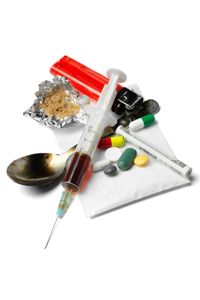 The United States as a nation is the largest single consumer of illicit drugs in the world. In addition to consuming the largest number of illicit substances overall, the U.S. is also either the largest or one of the largest consumers of each of the principle varieties of illicit drugs.
Read More
24 Jan / 2013
Synthetic Marijuana – Problems And Dangers
Synthetic marijuana, also known as synthetic pot or synthetic cannabis, is the name given to a group of products made from a combination of natural plant material and any one of a number of different chemicals called synthetic cannabinoids. When they enter your brain, these chemicals produce an effect that closely mimics the effects of the natural cannabinoid in marijuana called tetrahydrocannabinol, or THC. In 2012, the U.S. government banned the production, sale and/or possession of the cannabinoids found in the most widely distributed forms of synthetic marijuana, and the U.S. Drug Enforcement Agency followed up this new legislation with a nationwide raid on distributors of these products.
Read More
23 Jan / 2013
The Emotions of Cocaine Withdrawal
 Going through withdrawal from a drug or other substance is always unpleasant. It can range from mildly uncomfortable to so painful and potentially dangerous, that it should not be attempted without the supervision of a doctor or other professional. The physical symptoms of withdrawal frequently include sweating, tremors, nausea, muscle tension, racing heart or palpitations, and chest tightness. Less common but more severe symptoms may include grand mal seizures, delirium tremens, heart attacks, hallucinations, or strokes.
Withdrawal also involves negative emotional symptoms that can lead to a relapse or to other serious consequences if patients are not under care. These symptoms can include anxiety and depression, irritability, insomnia, restlessness, an inability to concentrate, and a feeling of social isolation.