
 855-763-6488
24 Mar / 2013
Gastrointestinal Complications of Cocaine Abuse
 Cocaine is well known for its ability to trigger drastic changes in the normal cardiovascular (heart and blood vessel) health of its users. However, people who use/abuse the drug can also develop a range of problems in the gastrointestinal (GI) tract, which extends from the esophagus to the rectum. Some of these problems occur relatively frequently, but only produce relatively minor health complications. Other cocaine-related gastrointestinal problems occur relatively rarely, but can produce severe or even life-threatening health complications. These advanced complications occur when cocaine use leads to loss of normal blood flow to various parts of the GI tract.
Read More
23 Mar / 2013
Mothball Abuse
The variety of substances misused by people at times seems staggering. It is especially alarming when teenagers come up with a different everyday substances to consume, smoke, or inhale for a high. When they cannot get access to alcohol or street drugs, kids often turn to household items. Using inhalants like aerosol cans, for instance, is nothing new. Popping up on the radar now, however, is abuse of mothballs. The smelly, moth-deterring balls that protect wool sweaters are giving some kids a high and sometimes leading to health consequences as well.
Read More
22 Mar / 2013
Up-to-Date Information on Ephedrine and Pseudoephedrine
Ephedrine and pseudoephedrine are two drugs that occur naturally in the plant species Ephedra sinica, known in traditional Chinese medicine as ma huang. Both of these substances are common ingredients in a variety of prescription and nonprescription medications used to treat colds, hay fever, and allergies. Not coincidentally, they bear a strong chemical resemblance to the legal stimulant drug amphetamine and the illegal stimulant drug methamphetamine. In fact, illicit drug manufacturers commonly use either ephedrine or pseudoephedrine to produce methamphetamine. For this reason, federal laws in the United States strongly restrict these substances’ legal usage.
Read More
21 Mar / 2013
Differences Between Methamphetamine and Cocaine
Methamphetamine and cocaine are two illegal drugs that belong to a class of substances called stimulants. Virtually all substances in this class produce significant changes in mental and physical function by altering normal rates of activity in both the central nervous system and a network of involuntary nerves known as the sympathetic nervous system. Despite their basic similarities as stimulant drugs of abuse, methamphetamine and cocaine differ from each other in important ways, including the degree of change they produce in the central nervous system, their duration of activity within the brain and body, and their ability to trigger a drug overdose.
Read More
20 Mar / 2013
How You Can Support Someone With an Addiction
If you’ve had it up to here with nightly bouts of drunkenness from your spouse or loved one, or you have a good friend who is trying to quit but having a difficult time, you know that the road ahead isn’t an easy one. You may want to support someone who is genuinely interested in getting clean and sober, but may not quite know how to go about it.
Read More
19 Mar / 2013
Amphetamine Addiction
Although commonly referred to as amphetamines, in the plural, this is really just one compound called amphetamine. There are other drugs with amphetamine in their name, such as methamphetamine and dextroamphetamine. These are related, and may be referred to collectively as amphetamines.
Read More
18 Mar / 2013
Chemical and Emotional Dependence
Dependency is another word for addiction. If you are dependent on alcohol, for instance, you are addicted to that substance and you are an alcoholic. What most of us think of when we give any consideration to the disease that is addiction, we are thinking of chemical dependency. This is the inability to stop using a substance because of chemical interactions between the drug and the body. Substance abuse and addiction are not that simple, however. If they were, we might already have a cure. Psychological or emotional dependence adds another, in some ways more complex, aspect to addiction.
Read More
17 Mar / 2013
Buprenorphine Treatment for Opioid Addiction
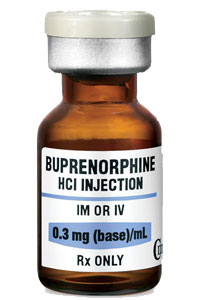 Buprenorphine is a relatively weak opioid medication that doctors sometimes use to treat addictions to stronger legal and illegal opioids such as oxycodone (OxyContin), codeine, and heroin. Like other opioids, buprenorphine achieves its effects in the body by attaching to specialized sites on nerve cells (neurons) throughout the body called opioid receptors. However, it produces much smaller mind-altering effects than commonly abused opioids, and people recovering from addictions to those drugs can use buprenorphine to gradually transition through the withdrawal process, rather than going through severe withdrawal symptoms. In order to reduce any risks for inappropriate use, some forms of buprenorphine come combined with another drug called naloxone.