
 855-763-6488
If you knew something was a risk for cancer would you avoid it? Known carcinogens are usually highly publicized and people frequently adjust their behavior accordingly. One thinks of red dye #2 that was once added to bacon. Sun block sales suggest that many take the risk of skin cancer from sun exposure seriously. And the current intolerance for tobacco use is at least partly driven by the public’s knowledge that smoking causes cancer. Yet, how many are aware that alcohol is also a dangerous carcinogen?

Alcohol is a clear cancer risk, but it gets little public attention as such. According to the World Health Organization, alcohol is responsible for 4 percent of the world’s cancers and is the third greatest risk for developing a host of other serious diseases as well. In the United States, a study published in mid-February in the American Journal of Public Health, states that alcohol is responsible for approximately 20,000 cancer deaths each year–equivalent to about 3.5 percent of all U.S. cancer deaths, according to a news release from the Boston University Medical Center. That translates to 20,000 cancer deaths connected to alcohol consumption. Certainly, alcohol as a cancer risk deserves a bit more press.
In the first major analysis of alcohol and cancer in recent decades, the study looked at 220,000 U.S. adults and examined their alcohol use and mortality information. The researchers found that seven cancers appeared to be particularly linked to alcohol use. Those cancers were: rectal, colon, liver, esophageal, breast (female), pharynx, larynx and oral cancer.
As many as 15 percent of women’s breast cancers were connected to drinking alcohol, a finding which is backed up by the Journal of the American Medical Association (JAMA). This is probably because alcohol affects estrogen levels. In men, cancers linked to alcohol use were oral, larynx, pharynx and esophageal. The data showed that men and women who consumed three or more drinks each day increased their cancer risk by 48 to 60 percent. One-third of cancer deaths were linked to just one to two drinks per day.
The leading risks for cancer are a person’s weight, diet, activity level, tobacco and alcohol consumption. While some have touted drinking certain kinds of alcohol as beneficial to heart health, the facts show that alcohol leads to 10 times more fatalities than it prevents. In fact, those who contract cancer related to alcohol use lose an average of 18 years from their lives.
“The relationship between alcohol and cancer is strong, but is not widely appreciated by the public and remains under-emphasized even by physicians,” said Timothy Naimi, who served as the paper’s senior author. “Alcohol is a big preventable cancer risk factor that has been hiding in plain sight.”
04 Apr 2013
Long Term Effects of OxyContin on the Brain
 Most drugs of abuse ultimately have an impact on the brain. The levels of the different neurotransmitters (the brain’s chemical messengers) are carefully balanced, so the brain can apply a reward chemical when a reward is in order and a painkiller when one is required. Drugs of abuse tend to subvert these normal processes, often releasing an excessive amount of the brain’s reward chemical. Finding out about the specific risks for one of the most commonly abused prescription drugs, OxyContin, helps you understand how addiction develops and the long-term risks of the drug.
What is OxyContin?
The simplest way to understand OxyContin is as an opioid drug like heroin or opium. It is derived from the same source, and has the same basic effects as these illicit substances. Opioids are widely used in medicine because they are among the most efficient pain relievers. Many people come into contact with drugs such as Vicodin, Percocet and OxyContin through legitimate means. The main defining feature of OxyContin is that it has a time-release formula, the effects lasting for about 12 hours. Percocet releases all of the substance at once and lasts only about five hours.
What are the Effects of OxyContin?
OxyContin works through its interaction with the opiate receptors in the brain. By binding to these receptors, the drug reduces feelings of pain and triggers the release of dopamine, the most important neurotransmitter in the brain’s reward system. This creates a mixture of euphoria and pain relief, bringing about a relaxed and contented mood in the user. It also depresses the central nervous system, which is responsible for many critical processes within the body, including heart rate, digestion, pain messages and breathing. Although the time-release formula makes it more difficult to achieve the euphoric high most users are looking for, many chew the drug or even inject it for a bigger rush. They will also take more than is suggested by their doctor to increase the effect.
 The Long-Term Effects of OxyContin on the Brain
Addiction is the most evident effect of long-term OxyContin abuse on the brain. The brain is initially overwhelmed when the drug signals the extended release of dopamine, unable to continue its normal functioning because of the intense chemical injection. To account for this, as the drug is taken more regularly, the brain adjusts its natural processes so it isn’t overwhelmed anymore. By reducing the number of opiate receptors and producing less dopamine naturally, the brain effectively dampens the effect OxyContin has. This means that the user has to take more of the drug to achieve the same effect, and that without the drug, he or she will have a deficit in some neurotransmitters.
This effect creates addiction, because the brain has essentially rewired itself to account for the continued presence of the particular substance. Without it, the individual experiences a wide range of unpleasant side effects, known as withdrawal. The longer the individual takes the drug and the more that is consumed, the more the brain adapts and the individual becomes addicted. Although using OxyContin more than prescribed commonly leads to addiction, it can also develop from the suggested course of medication.
Many of the long-term effects of the drug come to the forefront during this withdrawal period. Withdrawal usually creates the opposite effect of the drug, so if a woman goes without OxyContin for the first time after months of abuse, she will experience severe pain, depression and flu-like symptoms such as loss of appetite, runny nose and sneezing. Irritability and mood swings are also common. Because of these effects, the cravings for another dose of the drug can be intense.
One of the main risks of any opioid drug is respiratory depression (or slowed breathing). This is because the drugs depress the central nervous system, which is responsible for breathing. The risk of this is greater in long-term users, those who take more of the drug than prescribed, and anybody who combines it with alcohol.
Finally, there is a risk of severe psychological disturbances in people who abuse OxyContin. In long-term users, hallucinations, delusions, and delirium have all been reported, in addition to mood swings and panic attacks. This doesn’t occur in all cases, but is often worse during withdrawal, when many users feel confused or disoriented. Memory issues or even amnesia can develop in long-term abusers.
Need for Psychological Support
Addiction is the major long-term effect of OxyContin use because it drives the individual to keep abusing the drug and thereby makes all of the other potential consequences more likely. Being able to recognize the signs of addiction is extremely useful, but the best way to minimize your risk is to take the drug as advised by your doctor. If addiction does occur, psychological support can help you overcome your issues and therefore reduce the risk of other ill-effects.
The blood-brain barrier (BBB) is a network of tiny blood vessels (capillaries) that separates the interior of the central nervous system (brain and spinal cord) from the rest of the body’s circulatory system. This separation is required to help the brain maintain a stable internal environment and function properly; it also helps protect the brain from infectious microorganisms. Cocaine and methamphetamine can significantly damage normal function in the blood-brain barrier; in turn, this damage can open up the brain to infection and other processes that can produce severe or life-threatening changes in brain health.
Blood-Brain Barrier Basics
Capillaries are the body’s smallest blood vessels. They sit at the junction between the arteries—which carry oxygen-bearing blood to various organs and tissues—and the veins, which carry oxygen-depleted blood and carbon dioxide waste from the organs and tissues to the heart (on the way to their eventual destination point in the lungs). It’s inside the capillaries where exchange of the oxygen and carbon dioxide content in the blood occurs.
In every location except the blood-brain barrier, the capillaries have relatively large openings in their walls that allow large and small molecules to move in and out of the bloodstream. This level of access means that any required substance produced in most of the body can easily travel through the bloodstream and get where it needs to go. However, it also means that conditions in the tissues fed by the capillaries can change rapidly and relatively chaotically as different molecules move in and out of circulation.
The central nervous system in general (and the brain in particular) can’t handle the sorts of fluctuations that occur when all molecules can flow easily through the capillary walls. In fact, these fluctuations would destabilize the brain to the point where it wouldn’t be able to perform its function as the body’s command and control center. In addition, if any molecule could easily enter the central nervous system, then infectious microorganisms could get to the brain and wreak all sorts of havoc on the organ’s structures and activities. In order to help prevent these possibilities, the capillaries in the BBB are very tightly constructed and lack the large openings found in other capillaries. In addition, supporting cells (called astrocytes) sit in the barrier outside the capillary walls and further block any influx of unwanted molecules and microorganisms.
The Effects of Cocaine and Methamphetamine
For a number of reasons having to do with how cell walls are constructed, molecules that dissolve easily in the presence of fat can pass directly through the capillary walls in the blood-brain barrier. Among the molecules that can access the central nervous system in this way are cocaine and methamphetamine. Once inside the central nervous system, these drugs produce mind alteration and a variety of other effects by altering the normal levels of certain neurotransmitting chemicals—such as dopamine, norepinephrine and serotonin—that support proper brain function by passing on required messages between millions of nervous system cells called neurons.
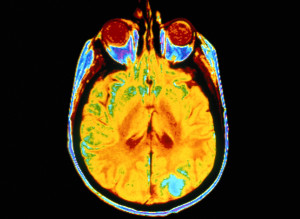 One of the consequences of neurotransmitter alteration by cocaine and methamphetamine is a significant increase in the amount of heat retained inside the brain and body. If heat levels get too high, they can trigger a condition called hyperthermia, which literally means “overheat.” In turn, hyperthermia can produce serious damage in the capillary walls inside the blood-brain barrier and lead to the formation of significant gaps that give access to dangerous molecules not usually allowed into the central nervous system’s restricted environment.
Apart from its role in hyperthermia, cocaine produces chemical changes in the capillary walls that lead to the formation of abnormally large points of entry through the BBB, according to a study published in 2010 in Blood, the journal of the American Society of Hematology. These chemical effects are particularly prominent in cocaine users who have HIV infections, and the authors of the study believe that the relatively rapid advancement of HIV’s brain effects in cocaine users stems from the ability of both cocaine and HIV to damage the capillary structures in the blood-brain barrier. Cocaine may also damage the BBB by increasing the flow of blood plasma to the brain, or by encouraging an excessive flow of the neurotransmitter serotonin from the body to the brain. In addition to its role in hyperthermia, methamphetamine can apparently damage the blood-brain barrier through a direct, toxic effect on the capillaries within the barrier.
Doctors and researchers have long looked for a medication capable of easing the effects of cocaine addiction. For a variety of reasons, their past efforts haven’t been successful, and there is no single medication on the market capable of filling this role. However, current evidence indicates that two other medications-buprenorphine and naltrexone-that were initially designed for other purposes, apparently work in combination to ease cocaine addiction and facilitate successful participation in cocaine rehab programs. Doctors usually use buprenorphine to treat opioid addiction, while naltrexone is used to treat both opioid and alcohol addiction.
Read More
Methamphetamine is known for its ability to damage normal brain function in its users. Unfortunately, some of the damage done by the drug increases the likelihood that recovering addicts will experience a relapse and return to active methamphetamine abuse. At one time, doctors and researchers believed that meth addicts were incapable of regaining the mental function required to significantly decrease any relapse risks. However, current evidence indicates that many of the brain deficits that can lead to relapse will gradually fade away if people addicted to the drug can remain in recovery for an initial, crucial period of time.
Read More
Substituted amphetamines are a group of chemically related substances that possess a strong chemical resemblance to the manmade stimulant drug amphetamine. Some of these substances-including ephedrine, pseudoephedrine, and cathinone-come from plant sources and predate synthetic amphetamine by thousands of years or more. Others-including methamphetamine and MDMA (Ecstasy)-are synthetic and have only existed for anywhere from decades up to slightly more than a century. Almost all substituted amphetamines produce pleasure and stimulant effects in the central nervous system; to varying degrees, they may also produce hallucinations and increased feelings of connectedness toward others. Side effects common to most of these substances include potentially deadly toxic reactions (overdoses) and long-term risks for drug addiction.
Read More
25 Mar 2013
Topiramate Treatment for Alcoholism
Topiramate is an anticonvulsant medication used to treat seizures stemming from the presence of epilepsy or a separate seizure disorder called Lennox-Gaustaut syndrome; in addition, doctors frequently prescribe the medication in order to prevent the return of symptoms in people with a history of migraine headaches. According to a variety of scientific studies conducted in the 2000s, topiramate can also help doctors treat people with alcoholism by decreasing alcohol cravings and promoting a decrease in alcohol intake. Unlike other medications used to treat alcoholism, topiramate can be successfully prescribed to people still actively consuming large amounts of alcohol.
Read More
24 Mar 2013
Gastrointestinal Complications of Cocaine Abuse
 Cocaine is well known for its ability to trigger drastic changes in the normal cardiovascular (heart and blood vessel) health of its users. However, people who use/abuse the drug can also develop a range of problems in the gastrointestinal (GI) tract, which extends from the esophagus to the rectum. Some of these problems occur relatively frequently, but only produce relatively minor health complications. Other cocaine-related gastrointestinal problems occur relatively rarely, but can produce severe or even life-threatening health complications. These advanced complications occur when cocaine use leads to loss of normal blood flow to various parts of the GI tract.