
 855-763-6488
12 Nov 2013
Jimmy Choo Co-Founder, Tamara Mellon’s Personal Story On Addiction, Sobriety And Success
It’s easy to fall into the trap of thinking that substance addiction is an endless cycle that determines a person’s future. However, the reality paints a much brighter picture. For many, the act of conquering addiction is only the first step toward a happy and successful life. A recent example of this is the success story of Jimmy Choo founder Tamara Mellon, which illustrates the limitless possibilities of an addict’s life after overcoming addiction.
Tamara Mellon’s Rise From Rock Bottom

Courtesy of: luxsure.com
In her recently published memoir, “In My Shoes,” shoe fashion diva Mellon speaks openly and candidly about her troubled childhood, reckless partying and subsequent substance abuse that ruled much of her early life and career. Mellon was your classic binge drinker who suffered from a cocaine addiction. “One glass of red wine would turn into … calling my coke dealer at 6:00 in the morning” Mellon reports in an NBC Today interview. And as a member of London’s social-elite, Tamara had too-easy access to the club scene that fostered her habits.
Everything shifted in the span of only a couple of days, however, when Mellon was suddenly fired from her job at Vogue magazine and soon after urged by a friend to seek treatment (that moment was the first time, Mellon admits, that she realized that she had a substance abuse problem). The editor’s decision to fire her, Mellon explains, helped set “forces in motion that, in time, would lead to success far beyond anything I could ever have imagined.” Mellon’s recovery is a rocky one, as outlined in her memoir, but she manages to conquer it, a move that led her to develop the influential and extremely successful Jimmy Choo designer shoe label that led her to the top of the fashion industry.
History On Jimmy Choo
Founded in 1996, the J. Choo Limited label has become synonymous with the height of London’s fashion scene. It began as a partnership between Mellon, who focused on developing the brand since leaving rehab, and Jimmy Choo, a shoe designer and cobbler who made his living making shoes for celebrities and royalty, including Princess Diana. With the financial help of her father, Tom Yeardye, Mellon forged a partnership with Choo and launched the shoe line. It’s worth noting that while the line is named after Jimmy Choo, the shoes themselves were made—not designed—by him, but rather designed by Mellon herself and Choo’s niece, Sandra Choi.
Currently, the Jimmy Choo line is considered to be a shoe empire worth just under $1 billion U.S. dollars, with over 100 boutique shops in 32 different countries. The J. Choo Limited designer shoes have made appearances in Hollywood on the red carpet and on screen, including the hit show “Sex and the City.”
Jimmy Choo himself, whom the company is named after, was bought out in spring of 2001 by Equinox Luxury Holdings Ltd. And while Mellon stayed with the company for another decade, she too left in 2011 to start another shoe label, this time under her own name “Tamara Mellon.” Today, J. Choo Limited is operated by chief creative officer Sandra Choi, Jimmy Choo’s niece and former apprentice.
Mellon’s Family Struggle With Alcoholism
As is the case with many people, Mellon’s substance abuse and addiction began at home. Born and reared in London’s upper-class society, Mellon still describes much of her upbringing as “anything but glamorous.” In her memoir, Mellon reports that her mother was a “raging alcoholic,” prone to fits of rage and, like most alcoholics, displayed unpredictable behavior.
The pattern of drug abuse and addiction often runs in families, regardless of their social status, and Mellon is a good example of this. Parents play a central role in their children’s lives, and by extension, their substance addictions do too. In fact, the American Academy of Child and Adolescent Psychiatry (AACAP) reports that children of alcoholics are more than four times as likely to become alcoholics themselves as children of sober parents. Numerous factors play into this, including a greater chance of experiencing neglect or physical abuse (abuse that Mellon experienced firsthand as a young child), and a greater chance of developing emotional problems, including depression, aggression and isolation. In addition, the shame and denial of alcoholism often prevents parents from confronting their children when they begin to abuse drugs themselves.
Like with many of Mellon’s personal and business actions, the publishing of “In My Shoes,” as well as the launch of the Tamara Mellon line, is surrounded by controversy. Some accuse her of sensationalism, while others cast doubt on her ability to build another shoe empire. Mellon however, remains unfazed; after all, she has already faced and conquered the demon of substance addiction—a huge accomplishment on its own. There is no doubt, however, that Mellon’s life is a real success story, and her success and zest for life is due, she says, to overcoming everything that life has thrown at her.
Says Mellon: “I fought my way through the rites of passage.”
11 Nov 2013
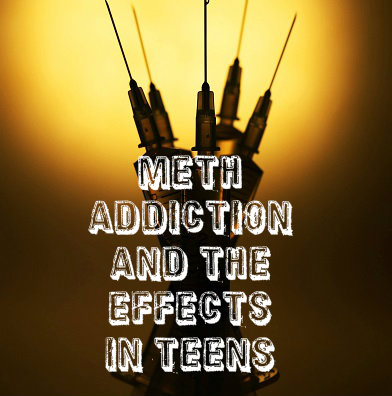
Meth Addiction And The Effects In Teens
Fans of the hit crime drama Breaking Bad may have become familiar with the dangers of methamphetamine use. However, as a parent, you may have questions about methamphetamine abuse in teenagers and whether it requires drug rehab treatment. Surveys suggest that 2 to 3.5% of adolescents have used methamphetamines [1]. Also called “speed” or “glass”, it’s a highly addictive stimulant.
How Meth Works
Methamphetamine – or “meth” for short – is a type of amphetamine, a drug that acts on the body’s central nervous system. The drug works by increasing dopamine levels within the brain to very high levels. Dopamine is the brain chemical that’s linked to pleasure, reward, motivation, and also motor function. When dopamine levels skyrocket, as they do during meth use, the user experiences a pleasurable rush that is often compared to euphoria.
While there are several types of amphetamines, meth is generally considered the most potent. The drug can be snorted, injected, or taken orally. Some abusers use a method called parachuting, which involves crushing a pill and then rolling the powder into a piece of tissue or toilet paper. The entire package – tissue and all – is then swallowed, delivering what’s believed to be a stronger, faster high because the pill’s outer protective layer has been destroyed.
 Teen meth addicts will typically use daily or nearly daily. Addiction requiring drug rehab treatment can develop quickly, sometimes within just a few uses. Chronic abuse of the drug leads to tolerance. As one’s tolerance level increases so does the amount of the drug that’s needed in order to achieve the euphoric high.
Effects Of Meth
Since meth is a stimulant, like cocaine, a teen will experience immediate physical effects, even when the drug is taken in small amounts. Meth users experience increased heart rate and respiration, irregular heartbeat, high body temperature, decreased appetite, inability to sleep, and increased physical activity.
An adolescent with a long-term meth addiction can experience more serious effects. Anxiety, confusion, and extreme weight loss are common. Many develop severe dental problems, such as tooth decay and loss, because the drug reduces output of saliva, which normally protects the mouth, and drug users often have poor dental hygiene.
Teen meth addicts are also at risk because the drug enhances the sex drive. Several studies have found that youth, especially females, who use meth are more likely to engage in risky sexual behaviors [2]. This potentially leads to unsafe sexual practices, including having sex without protection. Research has found a strong association between meth users and sexual risk-taking. A study of adults using meth found they were 1.7 times more likely to have gonorrhea and twice as likely to have chlamydia [3].
Chronic methamphetamine abusers might experience serious psychotic symptoms, including hallucinations, delusions, or paranoia. This can lead to physical problems as well. For instance, a meth user might scratch and gouge at their skin to remove “bugs.” Auditory hallucinations can be particularly dangerous if the addict believes “voices” are commanding him or her to harm others, a symptom that makes drug rehab treatment that much more important.
Meth use in teens can also cause permanent brain damage. Research shows that chronic use causes structural and functional changes to brain areas linked to memory and mood [4, 5]. In addition, brain imaging has shown that meth use changes the dopamine system in a way that reduces verbal learning and motor skills [6]. Using the drug over time also disrupts the body’s normal production of dopamine; as a result, chronic users show severe mood swings.
Signs Of Meth Abuse In Teens
- Euphoric moods (may appear unusually happy)
- Paranoia
- Reduced appetite
- Incessant talking
- Rapid weight loss
- Dilated pupils
- Dry, itchy skin
- Skin sores
- Intense mood swings
- Anxiety, nervousness
- Shaky hands
- Violent or aggressive behavior
- Excessive sweating
Symptoms can become worse as a teen’s meth addiction deepens. For instance, a meth addict often appears undernourished or even sick. He or she may have frequent mood swings, abruptly switching from chatty and friendly one moment to aggressive and hostile the next.
Treatment For Meth Addiction
Due to the serious short-term and long-term health risks, including brain damage and even death, meth addiction in adolescents requires immediate drug rehab treatment. Meth abusers can experience intense withdrawal symptoms, including severe agitation, anxiety, sleeplessness, and strong urges to use. Since withdrawal symptoms can be so powerful, teens should detox in a treatment center where they can be medically monitored.
After the drug is out of the body, your teen will start a treatment plan that will likely have several components based on his or her needs. Currently, there are no approved medications to treat methamphetamine addiction. However, rehab centers have a number of therapies for helping adolescents recover. For example, an addictions specialist may recommend cognitive behavioral therapy. This particular type of therapy helps teens learn more about the factors, such as negative emotions, irrational thoughts, or unhealthy behaviors, that contribute to their drug use. This therapy also teaches them how to deal with those factors in a drug-free way. Contingency management may also be beneficial in a drug treatment program. It provides tangible incentives, such as movie tickets or cash, for drug-free urine samples.
Alternate Therapies For Addiction
Other therapies may help your teen as well. For example, animal-assisted therapy, which involves the use of animals like dogs or horses, can be especially powerful. This treatment approach can help addicted teens reduce anxiety, build self-confidence, and develop trust. Talk with an addiction specialist to learn more about the benefits of animal-assisted therapy.
Family education and counseling will also be essential for guiding your teen through recovery. Educational sessions help parents and family members better understand the nature of addiction. They also show ways to help an addicted teen stay free of drugs. In family counseling, a therapist works with family members to pinpoint and resolve conflicts and communication issues, including those that have played a role in your teen’s decision to use drugs. Family therapy can play an important role in helping your teen avoid a relapse down the road.
Meth Affects The Brain’s Pleasure Center Long After Use
Treating an addiction to meth is challenging, in part, because the brain’s ability to produce dopamine is hampered for up to 6 months or more after drug use stops. As a result, addicts may be unable to experience pleasure. This can make it difficult for them to find enjoyment in even simple activities like spending time with friends, seeing a movie, or relaxing on the beach. This lack of positive emotion can compel many teens to start using again, just so they can feel some form of pleasure.
Yet, despite the challenges, adolescents can fully recover from a methamphetamine addiction. If you suspect or know that your teen is abusing meth, consult a drug rehab treatment as soon as possible – preferably one that is skilled in handling meth abuse and addiction in teens. The staff will work with you to lay out a plan for recovery that gives your teen the best chance for success.
Read More About What Meth Use Can Do To You
References:
[1] http://www.drugabuse.gov/drugs-abuse/methamphetamine
[2] http://www.biomedcentral.com/1471-2431/8/48/abstract
[3] http://www.healio.com/infectious-disease/hiv-aids/news/print/infectious-disease-news/%7B458a3b28-01a8-45ca-af13-dead2d781f8b%7D/methamphetamine-use-increases-risk-of-acquiring-hiv-stds-and-mrsa
[4] http://www.jneurosci.org/content/24/26/6028.long
[5] http://www.ncbi.nlm.nih.gov/pubmed/14706946
[6] http://www.ncbi.nlm.nih.gov/pubmed/11229977
Adolescence is a time of change and self-discovery. For some teens this change involves experimentation with substances, or perhaps even the development of alcohol or drug addiction. That seems to be particularly true for lesbian, gay, bisexual, and transgender (LGBT) teens, a group that shows alarming rates of substance abuse and addiction. If you’re a parent or caregiver, keep reading to learn more about why LGBT teenagers have higher rates of substance abuse and what you can do to help.
LGBT Teen Addiction Statistics
 Research consistently shows that lesbian, gay, bisexual, and transgender teens abuse substances at higher rates than their heterosexual peers. Overall, the odds of abusing substances are 190% higher for LGBT teens than for teens that are heterosexual. However, alcohol and drug use rates are even higher in specific LGBT populations. Bisexual youth have substance abuse rates that are 340% higher than heterosexuals, while females have rates that are 400% higher [1].
This doesn’t mean that every non-heterosexual teen will become addicted. In fact, research suggests some of the lowest levels of substance abuse are found among students, regardless of sexual orientation, who do not experience homophobic teasing and feel they are in a positive school environment [2].
The Link Between LGBT Teens And Addiction
Identifying as a non-heterosexual person does not in itself lead to alcohol or drug addiction. However, LGBT youth may be forced to deal with unique challenges; it’s these challenges that can raise their risk of addiction significantly.
For instance, lesbian, gay, bisexual, and transgender teenagers are at higher risk for bullying from their peers. Whether the bullying behavior involves being pushed around in a hallway or being victimized on Facebook, it can isolate an adolescent and lead to feelings of depression, which is a risk factor for substance abuse. One study found that teens bullied because they were perceived as gay were more likely to be depressed than those bullied for other reasons or not at all [3].
The threat of violence against LGBT people might also drive a teen to make unhealthy choices that include alcohol or drug abuse. About 21% of all hate crimes in 2011 were based on the victim’s sexual orientation, according to the FBI. Of those, 60% were attacks specifically against gay men and 11% targeted lesbians [4]. Adolescents who feel threatened may also feel the need to self-medicate their severe stress and anxiety with alcohol or drugs.
Parental rejection may also contribute to an LGBT teen’s alcohol or drug addiction. For example, young adults who were rejected by parents for their sexuality during adolescence were almost 4 times more likely to use illicit drugs than those who didn’t experience rejection [5].
Community factors can play a role as well. A study of non-heterosexual adults found that those who lived in states that banned same-sex marriage had a 42% increase in alcohol use disorders [6]. While this particular study examined adults, it’s possible that living in an environment that actively rejects an LGBT teenager’s identity can spur substance abuse.
How To Help LGBT Teens
As a parent or caregiver, it’s essential to help a teenager struggling with substance abuse. Excessive use of alcohol or the abuse of prescription or illicit drugs lays the foundation for a life that’s spent dealing with an addiction rather than living up to potential. Addiction is a chronic mental health condition, although with treatment it can be managed and even overcome. Finding help now gives your teen an opportunity to get back onto a healthier path before an accident or overdose makes it too late.
Seek professional help. Alcohol and drug abuse should be treated by qualified professionals. If possible, choose a recovery facility skilled in working with LGBT youth. These centers will have expertise in helping a lesbian, gay, bisexual, or transgender addict deal with situation-specific emotions and behaviors that play a role in his or her addiction. For example, a rehab center with an LGBT program will work with your teen on matters dealing with sexuality, sexual identity, gender identity, and family dynamics.
If you cannot locate alcohol or drug addiction treatment specifically for an LGBT addict, don’t give up hope. A qualified addiction center can still treat your teen for substance abuse. You’ll work with a specialist to develop a treatment plan that addresses your teenager’s needs. Depending on the substance, he or she may need detoxification (detox) as well as therapy. Since teenagers are heavily influenced by their peers, it’s normal for addicted teens to require residential rehab so they can fully immerse themselves in a safe, substance-free environment.
Substance abuse aftercare is also a critical part of maintaining sobriety in adolescents. Addiction aftercare, which will likely include therapy, ensures that a teen addict continues to have access to the tools that help him or her stay in recovery. In addition, LGBT teens are particularly vulnerable to bullying and, in some cases, violent attacks because of their sexual identity. An aftercare program will help a teenager cope with those challenges in a healthy way.
Create a supportive home. Researchers have found that parental rejection during an LGBT teen’s adolescence boosts the risk of substance abuse. Consider how you or other caregivers have reacted to your teenager’s identification as non-heterosexual. If you or a spouse has reacted with disappointment or anger, or if you’ve rejected the teen outright, start educating yourself in order to better understand your own feelings. Support groups for LGBT parents can be an ideal resource for those struggling to accept a non-heterosexual teenager. You’ll find beneficial support from parents who have experienced the same emotions and challenges.
Encourage your teen to connect. Support from others in the LGBT community will nurture your teenager in a positive way. Building friendships with those who are going through the same life experiences will help him or her feel less isolated. Be sure, however, that these connections are the kinds that encourage sobriety and a healthy lifestyle.
Alcohol and drug addiction can ruin the life of your teen. Don’t wait to get help. Reach out to treatment professionals who are experienced in working with LGBT . Doing so will give your son or daughter the best chance to have an addiction-free life.
References:
[1] http://www.ncbi.nlm.nih.gov/pmc/articles/PMC2680081/
[2] http://www.cdc.gov/lgbthealth/youth.htm
[3] http://library.wheelerclinic.org/poc/view_doc.php?type=news&id=155391&cn=5
[4] http://www.fbi.gov/about-us/cjis/ucr/hate-crime/2011/narratives/incidents-and-offenses
[5] http://pediatrics.aappublications.org/content/123/1/346.abstract
[6] http://ajph.aphapublications.org/doi/abs/10.2105/AJPH.2009.168815
What Is Harm Reduction?
Harm reduction is a controversial technique used to help treat addicts, particularly drug addicts. The philosophy behind this method of treatment is to help an addict use safely, rather than forcing him to stop using. By aiding addicts, the caregivers reduce the potential for harm. Although using illegal drugs is always harmful, doing it in a safe environment helps to prevent overdose deaths and the spread of disease. Proponents of harm reduction believe that once a user is in a safe environment, he can make the choice to quit.
 The method of harm reduction is not new. It has been around for decades and begun with the practice of giving heroin addicts a substitute drug called methadone. Other harm reduction programs include handing out clean needles to heroin users and providing a safe place to use. Critics of the technique feel that harm reduction only encourages addicts to keep using. In spite of criticisms, harm reduction continues to be used, not just in the US, but in other countries as well. In Colombia, officials are trying harm reduction treatment with cocaine addicts, and finding success.
Colombia – Cocaine Capital Of The World
Colombia is the cocaine capital of the world, producing more of the illegal drug than anywhere else on the planet. Cocaine comes from a plant native to South America called coca. The leaves of this plant naturally contain cocaine, which is a psychoactive stimulant. For many years, the natives of the area have chewed coca leaves for the high, but have also used them for medicinal purposes.
To get the cocaine out of the leaves, drug manufactures must go through a multi-step chemical process and end up with the white powder that is sold in the illegal marketplace. Most of this cocaine comes out of Colombia and is smuggled into the United States. In Colombia and particularly in Bogota, the capital, there is a real problem with addicts who use a base form of cocaine. It is a low-quality, low-purity form of the drug called basuco. It is an intermediate product in the process of making cocaine and it often contains residues of the solvents used, like kerosene. It may also have fillers like crushed bricks or ashes. Basuco is even more addictive than cocaine and is a rising problem in Bogota.
Harm Reduction for Basuco Addicts
Basuco is so addictive and so hard a habit to kick that the public health officials in Colombia have taken action and are using harm reduction. They have created controlled consumption facilities where addicts are given increasingly smaller doses of basuco and given marijuana instead. The idea is to help addicts stop using this very dangerous drug in a controlled manner. Marijuana is used like a substitute. Although it is a drug, it is much safer than basuco.
Addiction experts who espouse a traditional view of treatment believe that addicts must give up a drug completely and refrain from using any other substance. Increasingly, this traditional type of treatment is being proven ineffective. To fill the gap, harm reduction techniques are emerging around the world. The harm reduction programs for basuco addicts in Bogota are already helping people.
Using Marijuana For Harm Reduction
The philosophy of harm reduction, in itself, is controversial. Adding marijuana to the technique adds another level to the debate. To many staunch traditionalists, giving an addict another drug is simply wrong and in opposition to their beliefs about addiction. The facts, however, support this technique. Research investigating the use of marijuana for addicts using prescription painkillers has turned up positive results. The medical marijuana used by these people helped to reduce side effects from the painkillers, helped to manage pain, and helped to reduce the symptoms of withdrawal when the painkillers were taken away.
Other studies also showed evidence that using marijuana could help addicts. One study demonstrated that smoking small amounts of marijuana aided heroin addicts by keeping them in their treatment programs. Another study indicated that cocaine users in rehab who also used marijuana moderately were more successful at quitting than those who never smoked marijuana.
How Harm Reduction Helps
The idea of using drugs to cure addiction may seem radical. Certainly, the philosophy of giving addicts their drugs of choice in a safe environment is not without controversy. As traditional treatments fail to help addicts, however, these other options must be considered. The research and the results are very promising. Harm reduction and the use of marijuana are already helping cocaine addicts, and could help others as well.
A recent study estimates that close to 10% of pregnant women drink alcohol. Given the potential harm that can come to a fetus when exposed to alcohol during development, and the fact that vast majority of females at child bearing age were probably taught this at some point in their lives, this number is truly upsetting. Unfortunately, it’s also not shocking.
Some people still think that alcoholism (or other forms of addiction) is a moral failing rather than a bona fide medical disorder. Sometimes the impulse to drink can be so great that an alcoholic will put the importance of a drink over the safety and well-being of loved ones. It happens all the time with parents of young children, even when there is overwhelming evidence that the parent is a good person and truly loves their kids. Who doesn’t know someone who grew up in an alcoholic household? Is there any reason to think that the simple fact of pregnancy would be able to reign in such a terrible disease?
Condemning Addicted Pregnant Women vs. Helping Them Abstain From Alcohol
 Instead of chastising and condemning pregnant women who drink, we should be devising ways to help them abstain from alcohol during gestation. For hard core alcoholics, it is entirely possible that the only way to stop them from drinking for close to a year would be to physically restrain them. Barring that, however, there are things that we can do to try to reduce the incidence of drinking while pregnant.
We, as a society, must be more proactive in teaching people about the risk of fetal alcohol syndrome, a complication that can happen if a mother drinks while pregnant. People born with fetal alcohol syndrome will likely have abnormal faces, growth issues, and problems in the central nervous system. These issues will not improve over time and the neurological impairments can lead to learning disabilities and behavioral issues, like attention deficit disorder. Fetal alcohol syndrome affects up to 3 million people in the US alone.
The problem with teaching about the dangers of fetal alcohol syndrome is that evidence is murky when it comes to determining how much alcohol can safely be consumed before a fetus is put at risk. It used to be, at least prior to the 1980‘s, that doctors never restricted women from drinking alcohol during pregnancy. However, at some point the medical establishment changed its tune and soon no amount of alcohol was permitted during pregnancy. Now, conflicting information can be found everywhere.
How Exactly Does Fetal Alcohol Syndrome Happen?
Babies do not inherit fetal alcohol syndrome. Instead, the ingested alcohol actually damages developing neurons and destroys brain cells. The damage can occur at any point in fetal development, even before the mother knows that she is pregnant. Once the cells have been compromised, there is presently no way to undo the damage.
Educate Teens On Abstaining From Alcohol If Having Sex
Without knowing exactly how much alcohol is safe for fetuses, the only safe option for pregnant women is to avoid drinking altogether. Since drug-related birth defects affect not only the child but society in general, more resources need to be expended to help keep pregnant alcoholics sober during gestation and continually remind women of all ages about the dangers of exposing themselves to toxic substances if there is a chance they could become pregnant. Since alcohol and sex many times go hand in hand, it is a responsible and appropriate discussion to have with kids, especially given how prevalent substance abuse is in some sub-teen populations.
Addiction During Pregnancy – All Of Our Concern
In addition to increasing the amount of materials available to women of child-bearing age regarding the dangers of drinking, medical professionals in all venues need to be more vigilant in identifying mothers who are actively drinking or are at risk of developing a drinking problem during pregnancy. Although alcohol rehab programs have begun offering specialized treatment programs for addicted mothers, the number of available beds is woefully inadequate to handle the sheer number of people requiring treatment. Hopefully governments will begin to see addiction during pregnancy as a public health crises and funnel adequate resources into handling the disease. If someone you know is drinking during pregnancy, encourage them to seek help.
Bipolar disorder is a mental illness that causes significant mood swings. It affects as much as two percent of the population and first manifests primarily in the late teens and early 20s. Although the severity and types of mood can vary dramatically among patients, the most common example of bipolar disorder is a cycling between periods of happiness and sadness, often at extreme levels (i.e. euphoria vs. despair). Although counseling can help patients learn how to identify their distinct moods, as well as the things that trigger each mood swing, many patients will also benefit from some sort of medication to help dampen negative symptoms and neutralize moods.
 It is now pretty obvious that people who are taking prescription medications, including bipolar medications, should refrain from drinking alcohol or using recreational drugs as these substances can negatively interfere with the proper functioning of the medication. In some cases, the prescriptions and other substances can negatively interact to the point of overdose or death.
The Importance Of Identifying Signs Of Substance Abuse In Bipolar Patients
Unfortunately, due to the nature of the disease, some bipolar patients are unable to refrain from using alcohol or drugs even when they are taking prescription medication for their illness. In fact, roughly half of all patients with some form of bipolar disorder also have a drug or alcohol problem. Thus, when treating a patient who has bipolar disorder, mental health professionals must be vigilant in identifying signs of substance abuse or alcoholism as the two illnesses tend to go hand in hand.
Scientists have yet to discover a definitive explanation for the high incidence of substance abuse among bipolar patients. In fact, the real explanation likely entails a combination of factors. For instance, genetics may play a pivotal role — a family history of substance abuse plus bipolar disorder increases a person’s risk of having both diseases. Further, bipolar disorder can be a tough illness to treat. Although certain medications have been shown to be successful in alleviating certain bipolar symptoms in many patients, there is currently no cure for the disease and no one magic medication that renders all patients symptom free. As such, many patients use drugs and alcohol as a way to escape the symptoms of or fallout from the disease. This phenomenon is known as “self-medicating” and is often found in patients with the more debilitating mental illnesses, including bipolar disorder.
It turns out that doctors must be especially vigilant when it comes to identifying substance abuse in female bipolar patients. Studies show that females suffering from bipolar disorder are several times more likely to abuse alcohol than men with bipolar disorder. Although men with bipolar disorder also have a higher incidence of alcoholism than men without bipolar disorder, the rate is nowhere near as high as with women.
Factors For Bipolar Disorder
While it could certainly be true that bipolar patients have a higher predisposition to addiction than non-patients, both family history and the fact that bipolar patients tend to self-medicate with drugs and alcohol is more likely the culprit behind such a high rate of alcoholism. Researchers at UCLA conducted a study of roughly two hundred and fifty bipolar patients who were being treated at UCLA on an outpatient basis. The results of the survey showed that the males with alcohol problems were more likely to have a history of alcoholism in their families than males without such alcohol problems.
However, female participants with alcohol problems did not report similar rates of family alcohol problems. Instead, these patients reported co-occurring issues with anxiety and depression. Thus, researchers hypothesized that women bipolar patients were more likely to self-medicate than their male counterparts. Unfortunately, research also suggests that women are less likely to seek help for drinking problems than men. This puts female bipolar patients at high risk not only for alcoholism, but for untreated alcoholism.
Read More About Addiction And Mental Health – There Is Hope!
04 Nov 2013
Drug Rehab Treatment For Doctors?
Addiction is a mental health issue that is best treated by a team of professionals, including a psychiatrist who specializes in addiction. This is not the type of disorder that can be adequately addressed by a family doctor or general practitioner and very few active addicts can successfully treat themselves. Drug rehab centers have been set up all over the country to deal with addiction-related disorders.
Certain individuals (especially those who have access to addictive medications, routinely witness other people’s trauma, or have high-stress professions) are incredibly vulnerable to addiction disorders and may require even more specialized addiction treatment than members of the general population.
Doctors Reluctant To Enter Treatment
 One such subset are physicians who have become addicted to drugs or alcohol and need to enter a drug rehab facility to recover, either voluntarily or at the request of an employer or licensing body. However, since the mere disclosure of the existence of the disorder can mean the end of a doctor’s career, physicians are often reluctant to participate in mainstream addiction treatment programs where anonymity is not assured and significant periods of time off work is required.
However, when addressing the fact that disclosing an addiction problem can threaten a physician’s professional career and reputation, one must weigh the potential fallout against the potential harm suffered by a patient who is being treated by someone under the influence, in withdrawal or just hung over. Keeping in mind the doctor’s oath to “first, do no harm”, the necessity to seek professional treatment for a drug or alcohol problem is obvious. Professional treatment programs can help physicians get the help they need while minimizing damage to ongoing careers.
Specialized healthcare for doctors as patients is not a new concept. Over the past few decades, states have sponsored their own physician health programs with the goal of encouraging doctors to seek treatment for issues that, in the absence of assured privacy, they would tend to keep hidden. Addiction has been, and continues to be, one such disorder, where the professional stigma attached to entering drug rehab can follow a doctor even after recovery.
Physician Addiction Treatment Steps
The hallmark of any good physician health program will be an addiction treatment plan completely individualized to meet each doctor’s treatment goals in a way that best assures confidentiality and minimizes career disruption. During the initial evaluation, intake professionals at the physician health program will evaluate not only the level of drug or alcohol addiction, but also screen for co-occurring addictive behaviors and other mental health disorders.
There will often be a team of highly qualified addiction professionals working together to help the physician achieve lasting sobriety and, in some cases, may communicate with professional monitoring agencies when treatment has been mandated by a licensing body.
Support For Family And Staying Sober
In addition, support for partners, spouses, and children will be offered through specialized family programs. After initial recovery, the physician treatment center may offer continuing care to help the doctor maintain sobriety even after he returns to his job. This is especially important when the presence of triggers, such as medications, stress and patient trauma, will continue to be an everyday occurrence.
The most important aspect of physician treatment programs, however, is that they work. When matched with an appropriate drug rehab, doctors can get and stay sober even when their careers require them to be in the presence of powerful triggers on a daily basis. Recent research surrounding professional addiction treatment for doctors shows that this specialized type of care can dramatically reduce the rate of relapse after initial sobriety (as low as 3%) and help save careers. In fact, over 95% of participants in physician health programs successfully return to work. In comparison, the US population suffers a staggering 50% relapse rate.
Marijuana is a plant-based drug known for its potential to produce physical/mental dependence and other significant health issues when used repeatedly over extended periods of time. Generally speaking, health risks associated with marijuana use are linked to such factors as consumption level and the potency of any given batch of the drug. In a study published in October 2013 in the journal Addiction, a multi-institution Dutch research team sought to determine whether young adult users can accurately gauge their level of marijuana consumption or the potency of the marijuana they smoke or ingest. These researchers concluded that young adults generally do a poor job of accurately tracking their marijuana usage.
Effects And Health Consequences Of Marijuana
 Marijuana is the most readily available form of a plant-based drug called cannabis, which has a chief active ingredient called THC (tetrahydrocannabinol). When THC molecules enter the bloodstream, they attach themselves to nerve cells inside the brain and trigger a form of mind alteration classically associated with effects such as heightened pleasure levels, reduced body coordination and substantial changes in normal thought and perception. In controlled circumstances, marijuana use is now legal in certain jurisdictions across the U.S. However, most states still consider marijuana use illegal, and federal statutes also prohibit use of the drug.
According to the National Institute on Drug Abuse, marijuana use is associated with mental and physical health risks that include learning and memory deficits during adolescence, lowered IQ scores during adulthood, temporary heart rate increases, heartbeat irregularities, impaired judgment and decision-making, impaired memory functions, a reduced ability to control body movements, the same types of lung-related ailments that commonly affect cigarette smokers and temporary bouts of psychosis (a mental health term for hallucinations and/or delusional thinking). In addition, habitual smokers of the drug have heightened risks for developing longer-term forms of psychosis that persist over time.
Marijuana Addiction Risks
Marijuana has a relatively benign reputation when compared to other powerful, illicit or illegal substances such as amphetamine/methamphetamine, cocaine or opioid narcotics. Despite this reputation, current scientific evidence indicates that all habitual marijuana users run a considerable risk of becoming physically dependent on the drug and subsequently developing the drug-oriented personal and social behaviors classically associated with the presence of addiction. Roughly 17 percent of individuals who start marijuana use before reaching adulthood become addicted, while anywhere from one-quarter to one-half of all everyday users develop an addiction. Part of the addiction risk associated with the drug stems from a rise in marijuana potency over the last several decades. While some sources report a 3,000 percent increase in the drug’s potency in that timespan, more reliable estimates place the increase in strength at anywhere from 200 percent to 600 percent.
Marijuana Smoker’s Estimates Of Usage
In the study published in Addiction, researchers from three Dutch institutions sought to determine how accurately habitual marijuana users can track their intake of the drug. To a certain extent, accurate tracking could potentially reduce the risks for the onset of addiction by allowing users to gauge their level of involvement in drug use and curb that level when necessary. The researchers made the first part of their assessment by asking 106 young adults to estimate their level of marijuana use, as well as their level of intoxication and the relative potency of the marijuana they consumed. Next, the researchers compared the participants’ estimates to objectively verifiable measurements of these same factors.
The authors of the study found that, by objective measurement, the amount of marijuana used by an individual in any given situation varies considerably, as does the potency of any given marijuana batch. However, they also concluded, marijuana users typically do a bad to mediocre job tracking these changes in potency and amount. As a result, marijuana users tend to have only a partially reliable ability to understand and monitor their true level of marijuana use.
Significance And Conclusions Of Marijuana-Use Study
The authors of the study in Addiction did not specifically associate a limited ability to track marijuana usage with increased risks for physical dependence and addiction. However, by logical inference, people who don’t know how much marijuana they use or how strongly that marijuana affects them may fail to notice key physical and mental changes that signal the onset of dependence- and addiction-related problems. Subsequently, they may fail to take critical steps necessary to prevent the onset of dependence or addiction. The study’s authors note that young adult marijuana users don’t entirely fail to track their marijuana intake; instead, they simply track their intake too poorly to make reliable estimates.