
 855-763-6488
06 Jul / 2015
Sending Your Addicted Teen To College
Sending your child off to college can be a stressful period. This is probably the first time she has been away for longer than a stint at summer camp. There are also both realistic and symbolic transitions. She is becoming an independent adult by going off to school without you. She will be on her own to go through the academic and social experiences of college life, as well as the challenges. If your teen has struggled with substance abuse the stakes are higher than normal.
Addicted Teens
For some adults, it may seem unlikely that a young person going off to college could already be an addict. The scary truth is that teens do become addicted. The earlier they experiment with drugs or alcohol, the more likely they are to get hooked.
According to surveys, among college students participating in recovery programs on campus, the average age at which they first became addicted was 15. Common addictions in teens are to alcohol, marijuana and prescription drugs.
What To Do When Sending Your Addicted Teen To College
The following are several tips to help give your addicted teen the best shot when sending them to college and to help ease your concerns.
Check Out The Party Schools
You may be tempted to insist that your teen stay home and go to community college, and that might be the best choice. But if you both feel she is ready for the campus experience, make your selection carefully. You can easily find rankings of the biggest party schools in the U.S. These are best avoided.
In fact, you can find rankings that show you the opposite: the most sober schools. Brigham Young University, the Mormon-associated school in Utah, regularly tops this list. There are plenty of choices in schools that pride themselves on taking a sober stance. Of course, attending such a school cannot guarantee your child will stay sober, but it can help.
Look For Sober Living Opportunities
Regardless of which college your teen chooses, investigate their living arrangements. Many colleges now offer dorms or other types of housing for students who want to be sober. In these dorms your teen will live with other students who are in recovery from substance abuse. The support system built into this type of living arrangement can be a powerful way to resist the urge to party. Living in a dorm with students that are drinking and even using drugs may be more temptation than she can handle.
Continue With Treatment
Not all college campuses will have treatment programs for addicted students, but you can set up private therapy sessions to make sure your teen has the chance to keep up with her treatment. You can also help her look for support group meetings that she can attend. She may feel strong in her sobriety going into college, but the stresses and anxiety that come with such a major life transition may send her into a tailspin. Make sure she has support and treatment options ready in case she feels she needs them.
Also be sure that your teen has access to mental health services. Many addicted students struggle with depression and anxiety as well as other mental health issues. Check with the college’s on-campus health center to see what kinds of programs they have available, including emergency mental health services.
As you gather all of this information, be sure to keep your teen in the loop. Make her a part of her own sobriety so that she can take ownership and responsibility. You can’t be there with her forever. You have to let her go and give her a chance to be independent, but you can adequately prepare her to be successful.
Read Our Other Posts On What Parents Need To Know
30 Jun / 2015
Marijuana Growth On Public Land Major Problem In Utah
Utah has the third-largest percentage of public versus private land of all the U.S. states, trailing only Alaska and Nevada. In addition, much of this public land is actively used for recreation. All of this public land helps to make Utah a beautiful and exciting place to visit, but it has also attracted certain kinds of illegal activity. This state is not only a magnet for huge numbers of tourists each year, but also a magnet for illegal marijuana growers.
According to a press release from the office of U.S. Sen. Orrin Hatch (R-UT), federal drug enforcement agents have seized hundreds of thousands of illegally grown marijuana plants on Utah public land in recent years, particularly in southern Utah. Hatch is co-sponsoring a bill that would increase the penalties for cultivating marijuana on public land and would also provide funds to help address the environmental impact of illegal marijuana grows.
Environmental Damage, Public Safety Are Major Concerns
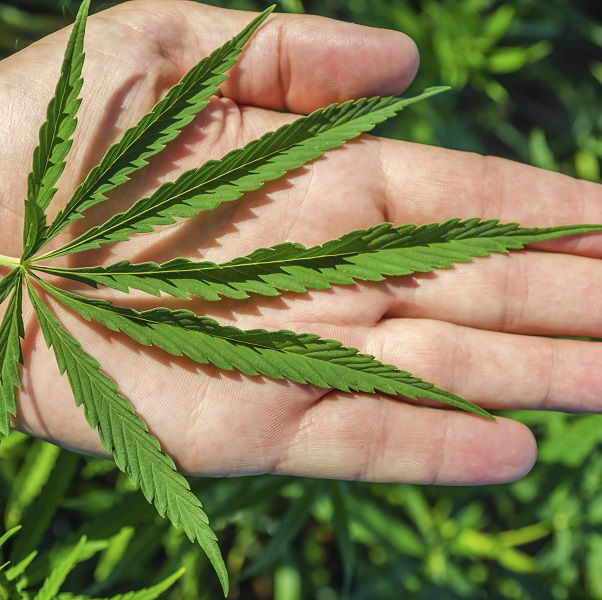 Large-scale marijuana grows use and pollute valuable water resources in addition to leading to the clear-cutting of trees. Pesticides used to protect marijuana plants can harm an area’s natural ecology, and clear-cutting can cause erosion and even landslides.
Frequently, growers with ties to international drug traffickers will take advantage of remote wilderness areas that have been set aside for public preservation. Public lands offer remoteness and minimal law enforcement presence, making it possible for growers to cultivate marijuana on a scale that would be difficult to achieve on private lands.
Many people have public safety concerns in addition to environmental concerns when it comes to illegal marijuana cultivation. While reports of encounters between members of the public and marijuana growers are rare, they do happen, as in 2010 when two hikers were held at gunpoint before being rescued.
Impact Of Marijuana Legalization
Recent developments in and around Utah have some people concerned that the amount of Utah land being used to grow marijuana could increase despite legislative efforts. The neighboring state of Colorado legalized recreational marijuana in 2014, but it is unclear whether this has helped to increase or decrease the amount of illegally grown marijuana that is sold in the state.
Utah itself was recently considering a bill that would legalize edible medical marijuana for patients with certain illnesses. A Drug Enforcement Agency (DEA) official made headlines in March 2015 with his testimony before a Utah Senate panel. The agent warned that marijuana grow sites would increase if medical marijuana were legalized, and that the environmental consequences would include, among other things, stoned rabbits and other wildlife. Ultimately, the bill failed to pass the Senate by one vote and its sponsor has vowed to reintroduce the legislation.
Convictions For Marijuana Possession On Public Lands
In Utah, public land and marijuana also intersect in a different way. The state leads the nation in the number of people convicted for cannabis possession on public lands; in fact, it is responsible for about one-third of all such convictions nationwide.
Cannabis users are attracted to public lands in Utah for the same reason that marijuana growers use the land. There is very little law enforcement presence in remote areas of wilderness, so people believe that they are unlikely to get caught.
Find Out The Top 3 Reasons Marijuana Should Be Banned
15 Jun / 2015
Summer Drinking Dangers
Summer is a time when many of us want to celebrate. Winter is over with. With more daylight hours of bright sun, the beach beckons. There are graduation parties, Fourth of July barbecues, and any-reason-at-all parties to attend. It’s a great time to get together with friends, enjoy the long days and have a good time. Unfortunately, a lot of these celebrations involve alcohol and all the dangers associated with it. Stay safe this summer and consider partying alcohol-free. If you are going to indulge, do so responsibly and safely.
Drinking Dangers During The Summer
Alcohol And The Heat
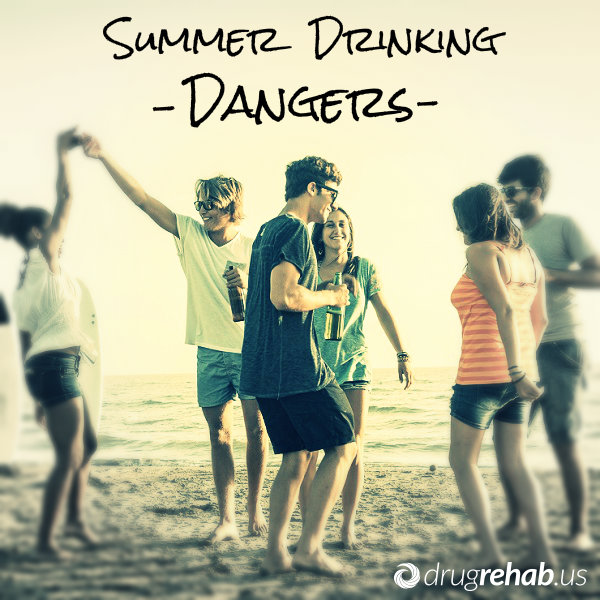 Many of the best summer parties are outdoor barbecues and picnics. It’s natural to want to drink at these events. You’re warm and relaxed and enjoying the company of your friends or family. Being outside while temperatures are high and the sun is shining can be a health hazard even without alcohol.Without proper precautions you may suffer from heat stroke, sunburn or dehydration. Alcohol can worsen these conditions and speed their onset.
If you are planning to drink outside, do so in moderation and don’t forget to drink plenty of water as well. Use sunscreen and spend time in the shade to avoid too much sun exposure, avoid caffeinated drinks and stay cool with ice water.
Alcohol And The Water
What would a summer party be without a pool, lake or ocean-side beach? If you’re drinking near or on the water, the risk of harm is great. In fact, one out of every two deaths that occurs during water recreation is related to alcohol. While many people take drinking and driving very seriously, not everyone considers drinking and boating to be an issue. An intoxicated boat operator can cause terrible damage from accidents. Passengers drinking on boats may lose balance and fall overboard.
There are also the same hazards that involve drinking and being exposed to heat and the sun. On a boat it may not be possible to get drinkable water to stay hydrated, or to find relief from heat and sun. If you’ll be out on a boat, it’s best to refrain from drinking at all. If there will be drinking, bring along plenty of water, sunscreen and light clothing. Never let the operator of a boat drink.
Parties And Binge Drinking
Most people have lots of parties to attend over the summer, which gives ample opportunities to drink too much. When you’re having fun at a party it can be easy to forget how much you have had. Women should not have more than four drinks at once, or men more than five. Drinking more is considered binge drinking and is particularly dangerous. Binging can lead to car accidents, assaults and fights, unplanned pregnancies, increased blood pressure, heart disease and other serious problems.
Binge drinking can turn a fun party into a nightmare. Always keep track of what you are drinking at parties and set a limit. Drink one non-alcoholic beverage in between every alcoholic drink to keep yourself from getting out of control. It also helps to have a friend or partner monitor your intake and warn you if you are close to drinking too much.
Summer is a season full of sun and fun, and plenty of parties. Make the most of your summer vacation without an alcohol-related tragedy. Be careful, be aware of how much you and others drink and stay hydrated so that you can expect to enjoy your summer safely.
Read Our Other Posts With Helpful Tips & Tricks
11 Jun / 2015
How Your Parent’s Substance Abuse Affected You
If you grew up with one or more parents abusing drugs or drinking too much, you probably have some bad memories. Whether you like to spend much time reflecting on it or not, your parent’s substance abuse affected you in negative ways. It hurts to think about it, but when you start to wrap your head around what happened you can finally learn how to forgive an alcoholic parent and move on with your life as a happy and well-adjusted adult.

Ways Your Parent’s Substance Abuse Affected You
The following are just several ways that your parent’s substance abuse may have affected you.
You Didn’t Learn How To Communicate
You might think that because your parents were not abusive and because they didn’t neglect you in any serious way, they didn’t harm you. But what you learn from your parents is more complicated and subtle. Abuse and neglect are traumatic experiences, but they are not the only ways in which parents with substance use and abuse disorders harm their kids. For instance, communication in the household probably suffered. Communication in houses with substance abuse tends to be negative and limited. Without good modeling for how to communicate with people you care about, you may not be good at it as an adult.
You Learned To Self-Medicate
You missed out on the modeling of certain positive behaviors, like communication, mentioned above. Your parents probably also showed you some negative behaviors, and you may have followed their example. Many people who drink too much or abuse drugs do so as way to self-medicate. It’s a way to push down emotions, relieve stress or ignore the uncomfortable symptoms of untreated mental illness. You learned an unhealthy strategy from your parents when they should have been showing you healthy ways to mitigate stress and to cope with bad feelings.
You Grew Up Too Soon
Many children with alcoholic or addicted parents are forced to be more responsible than they should have to be. You were also forced to face situations, conflicts and emotions beyond your years. Of all the effects of parental drug abuse on children, this is the most unfair. Children are supposed to be children and not have to worry about adult problems. In a way, being forced to grow up quickly is a sort of trauma. Maybe you weren’t physically abused and maybe you always had enough to eat, but you were forced to face adult issues at such a young age.
These are just a few ways that your parent’s substance abuse has affected your life, both when you were young and as an adult. When you learn to face and work through these issues, you can start to let go of anger and resentment. Repairing love after drug addiction or alcoholism isn’t easy, but it allows you to mitigate the negative effects and learn to be a healthier and happier adult.
You Can Do It – We Believe In You – For Help, Call One Of Our Counselors Now!
08 Jun / 2015
The Top Three Reasons Marijuana Should Be Banned
Recreational marijuana is a buzzword these days, and for good reason. As voters are given the choice, many are opting to make this drug legal for adults to use however they see fit. The tide of public opinion may be shifting and the benefits of legalization of marijuana for recreational use highly touted, but marijuana remains a federally illegal, mind-altering substance.
Top Three Reasons Marijuana Should Be Banned
Before you make up your own mind in the pros and cons of legalization of marijuana debate, make sure you are familiar with the major reasons why this drug needs to remain illegal.
1. Marijuana Is Addictive
 One of the biggest misconceptions about cannabis, or marijuana, is that you can’t get addicted to it. This stems from the fact that it is much less addictive than substances like heroin, meth or crack. This does not mean, however, that you cannot develop a habit when smoking pot. Thousands of people every year seek treatment for marijuana addiction, and it is a real and serious problem.
It’s easy to be misled by the lax attitude toward marijuana. A lot of people use it recreationally and are able to keep it that way. Maybe you smoke at a party one time and then get some to use at home by yourself. You find that it’s nice to use when you want to relax or party with a few friends. But before you know it, that partying becomes addiction and you can’t relax without your drug of choice.
2. Young People Are Harmed By Marijuana
But, you say, marijuana is being made legal for adults only, not for teens. Of course, there’s no such thing as underage drinking, right? Alcohol is supposed to be for adults only, but around 10 percent of drinking in this country is done by people under the age of 21. Based on alcohol’s example, we can expect that the same will happen with legal pot. Marijuana is particularly bad for young people with brains that are still in development. Studies have shown that teens who smoke pot regularly have lower IQs than their peers. They perform worse academically, miss more days of school and are less likely to participate in extracurricular activities.
3. Marijuana Causes Accidents
Another lesson that alcohol teaches us is that although driving under the influence is outlawed, too many people do it. The result is that thousands of people are injured or killed every year by drunk drivers. With legal marijuana we will be adding thousands of more to that list every year. Intoxicated driving is the same no matter what the substance is. A high driver is like a drunk driver and liable to cause accidents.
The debate about making this drug legal will continue and more states are likely to vote for it, but the cons for recreational marijuana are just too many and too great. There is no need for legal drugs when the safety and well-being of all Americans is at stake.
Get Help Now – Learn More About Marijuana Addiction Treatment
04 Jun / 2015
What Are Soft Addictions?
The term soft addiction is fairly new, and it can be misleading or even offensive to people with true addictions. A soft addiction is not really an addiction at all. It’s more like a bad habit, but like a true addiction, these bad habits can keep you from living a satisfying, happy and meaningful life. Consider the times during the day in which you zone out and try to de-stress. Maybe it’s when you lose an hour on Facebook or you sit down to watch a half-hour TV show and don’t get up for two hours. These moments are made up of soft addictions and they are preventing you from living your best life.
Soft Addiction vs. Real Addiction
A soft addiction can best be compared to a behavioral addiction. A true behavioral addiction occurs when you compulsively engage in some kind of activity. Let’s use shopping as an example. If you have a real addiction to shopping, you spend most of your time thinking about it. You spend hours each day shopping online. Your finances are in the tank because you get out of control when you shop. You try to ease off, but you can’t
 If your shopping habit is more of a soft addiction, on the other hand, you aren’t out of control. It’s probably something you do to relax or escape from the day’s stresses. You might spend a half hour online browsing a couple days a week, or you spend Saturday afternoons at the mall buying a couple of new outfits. You spend more than you should, but you aren’t going into debt and you don’t feel out of control.
Recognizing Your Soft Addictions
Soft addictions are insidious and hard to recognize. Think of the times during the day when you engage in an activity mindlessly. It could be spending time online, watching TV, reading celebrity magazines or even gossiping with coworkers. These habits aren’t always bad. Some amount of mindless activity is helpful for coping with stress. But when you lose too much time to them, you need to make a change. Pick out what you think might be your soft addictions and then record how much time you spend on them, how they make you feel, and what you could have been doing instead that would have been more rewarding.
Changing Your Behaviors
When you start to recognize your soft addictions, you will begin to realize you are wasting time on meaningless things. You’re on Facebook when you should be productive at work. You’re watching mindless reality TV when you should be connecting with your partner. Changing these habits won’t be easy, but it will be rewarding. Start by setting time limits. When you sit down to watch those reruns you’ve seen a million times already, give yourself half an hour to relax and then turn the TV off.
At the end of your time limit, find something better to do, and make sure it isn’t another mindless bad habit. Call a friend you haven’t spoken to in a while. Have dinner with your partner and have a meaningful conversation. Get started on that home project you’ve been putting off. Do something creative, like painting or writing. Read a piece of classic literature. The key is to do something meaningful.
When you start noticing your soft addictions and begin replacing them with more meaningful activities, you will realize just how rewarding it is to make these changes. Soft addictions try to fill holes in our lives, but they fail, and they can turn into true addictions. Be aware and start making changes now for a better life.
Read More About Behavioral Addictions
01 Jun / 2015
The Dangers Of Mothball Abuse
Substance use and abuse among teens and young adults often includes the huffing of inhalants. This is a practice that adults might engage in as well, but it is more common in young people because of access. Many household chemicals can be used for huffing, which is the practice of inhaling fumes to get high. Young people turn to huffing because it is an easy high. One substance in your home you might not suspect could be used in this way may be in your closet. Mothballs can be used to get high and, as silly as it sounds, the dangers are not insignificant.
What Is Mothball Abuse?
 Huffing means capturing and inhaling the fumes of certain chemicals in pursuit of a high. Many products and chemicals can be used for this purpose, ranging from Freon in air conditioning units to the gases in a can of whipped cream. People who abuse mothballs typically put them in a paper bag and breathe into it for several minutes. Mothballs are traditionally made with a volatile chemical called naphthalene, but newer products use a dichlorobenzene instead, as it is less flammable. Either chemical can be huffed for a high.
Mothballs And Addiction
Mothball abuse may not sound as serious as something like cocaine abuse, but inhalant abuse can be dangerous and fatal. Users can even get addicted to the high that comes with huffing. Research on addiction to mothballs, naphthalene or dichlorobenzene is limited, but we do know that inhalant use can lead to addiction. Like any drug of abuse, inhalants cause the user to get high or experience a pleasurable sensation. With time and frequent use, the brain changes in response to this high, and quitting becomes more and more difficult. Eventually the user is hooked.
Is Napthalene Addiction Dangerous For Health?
Becoming addicted to naphthalene is extremely dangerous. Even if someone doesn’t get addicted, just using this substance recreationally is risky. Both naphthalene and dichlorobenzene are harmful, toxic substances. This is why moths stay away from mothballs. When someone inhales the fumes from mothballs, he will lose coordination, develop slurred speech, become weak in the limbs, get headaches, feel nauseated and vomit. Some users may even get a scaly skin rash.
These are short-term side effects of getting high on mothballs. The long-term health effects of inhaling these substances include kidney and liver failure, anemia, convulsions, seizures and coma. Death is also possible when huffing, no matter what substance is being used. Huffing can even be fatal on the first try because the user is cutting off oxygen supply when inhaling another substance.
The dangers of abusing mothballs are numerous and serious. If you have a teenager, make sure he knows that this habit, which may seem like harmless fun, is actually quite dangerous. If you use mothballs, make sure they are locked away to prevent access. Huffing is common among teens and an issue of which all parents should be aware.
Concerned Your Teen Is Abusing Drugs?
Call An Elements Behavioral Health Counselor Now!
28 May / 2015
Is There Anything Good About Legalized Marijuana?
A new trend has emerged in the voting booth: people are saying yes to legal, recreational marijuana. Are there really any benefits of making this drug legal to adults? What will the consequences be, good or bad? It’s too early to tell, but in time we will see if there really are any pros of legalizing recreational marijuana or if it has all been a big mistake and a failed experiment.
Marijuana Is Just For Adults, Right?
Among the many concerns that critics of legalized recreational marijuana have, perhaps the most important is the safety and the health of children and teens.
 Proponents argue that there are age limits and that kids can’t get access to marijuana, but the same could be said of alcohol. And yet, underage drinking is more than common. In fact, alcohol is the number one substance of abuse among teens. Why? They can access alcohol more easily than drugs because alcohol is legal for adults. To think that kids won’t get their hands on pot is naïve.
The safety of teens and kids is important because it will be compromised and is a major one of the many cons for recreational marijuana. Young people have vulnerable, developing brains, and marijuana is a mind-altering drug.
When teens smoke pot they throw a wrench in the works of that development. It has even been shown that smoking pot regularly can lower IQ and reduce academic achievement. Another important point is that most people who get addicted to marijuana started smoking when they were teens.
Public Safety Concerns Everyone
Another major point of contention in the discussion of the pros and cons of legalization of marijuana is the possibility of more accidents. Supporters of legal marijuana say that it isn’t as bad as alcohol when it comes to driving, but it is bad. You can’t drive high and expect to never have an accident. With more pot smokers on the road, more of us are likely to fall victim to a devastating traffic accident. States with legal marijuana have yet to determine how to set and accurately measure an intoxication level.
Are There Any Pros Of Legalizing Marijuana?
When you ask proponents of legal marijuana why they support it, you will mostly get half-hearted answers. Most supporters simply think there is no reason not to make it legal, if alcohol is legal. Others just want to be able to smoke legally and support recreational marijuana for personal and selfish reasons.
Perhaps the one pro that makes the most sense in the argument for legal recreational marijuana is for state revenue. Many states are operating in budget deficits and could use a new source of revenue to shore up their coffers. Whether or not marijuana is the answer to this particular problem remains to be seen. What we know for sure is that it is a big risk for some extra money.
Find Out Now How Changing Marijuana Laws May Impact Children